
Build Your Emergency Fund Fast: 8 Proven Tips to Get Started Today
Life has a compulsion to send startling payments. An automobile breakdown, a remarkable logical go to, a machine that stops without caution — those minutes do not care about your…
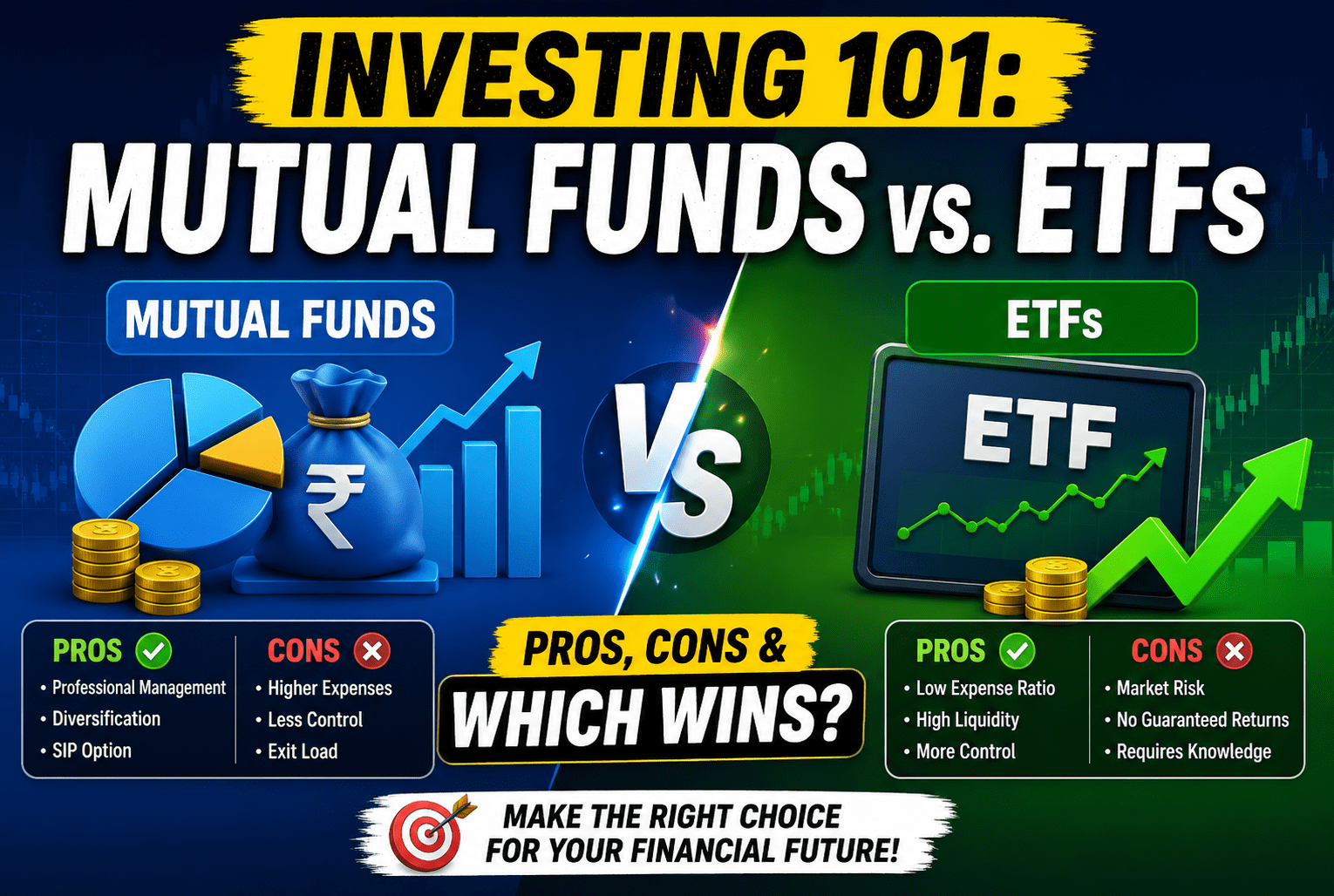

Making an investment can seem like navigating a maze — and choosing among mutual funds and ETFs (traded price range) is one of the first forks in the road. Both…
Index funds are the simplest way for beginners to invest without stress. Instead of picking individual stocks, you buy a basket that tracks the entire market. With low fees, built-in diversification, and steady long-term growth, index funds consistently outperform most experts. They take the guesswork out of investing and let compounding quietly build your wealth over time.
Deciding between Global ETFs and U.S. ETFs is one of the most common challenges for investors. U.S. ETFs provide exposure to the world’s largest economy, strong companies, and consistent returns, while Global ETFs offer diversification across multiple countries, including fast-growing emerging markets. This article explains the differences, risks, advantages, and the best strategies to help you choose wisely.
Low-cost ETFs are one of the smartest investment options for long-term growth. By keeping expense ratios extremely low, they prevent fees from eating into your returns and allow your money to compound more efficiently. These ETFs provide instant diversification, global market access, and flexibility at a fraction of the cost of traditional funds, helping investors save thousands of dollars in the long run.
Many beginners see Exchange Traded Funds (ETFs) as a simple way to invest, but common mistakes like chasing hot funds, ignoring fees, or over-diversifying can cost them in the long run. This guide highlights the top mistakes beginners make when investing in ETFs and how to avoid them for smarter, more profitable investing.
Trying to decide between ETFs and Mutual Funds? Both are powerful investment tools, but they work in very different ways. This article breaks down the key differences like fees, tax impact, trading flexibility, and more so you can choose the option that fits your financial goals best. Whether you're a beginner or looking to refine your portfolio, this guide will help you make a smarter choice.
"Mutual funds offer an easy and effective way to invest without needing expert knowledge. This guide covers how they work, their types, key benefits, and steps to start investing wisely. Whether you're looking for long-term growth or stable returns, mutual funds can be a smart choice for building wealth."
"ETFs Explained: The ultimate guide for smart investors looking to build passive wealth. Learn how Exchange-Traded Funds work, their different types, key advantages, potential risks, and the best investment strategies to maximize returns while minimizing effort. Whether you're a beginner or an experienced investor, this guide will help you navigate the world of ETFs with confidence."